
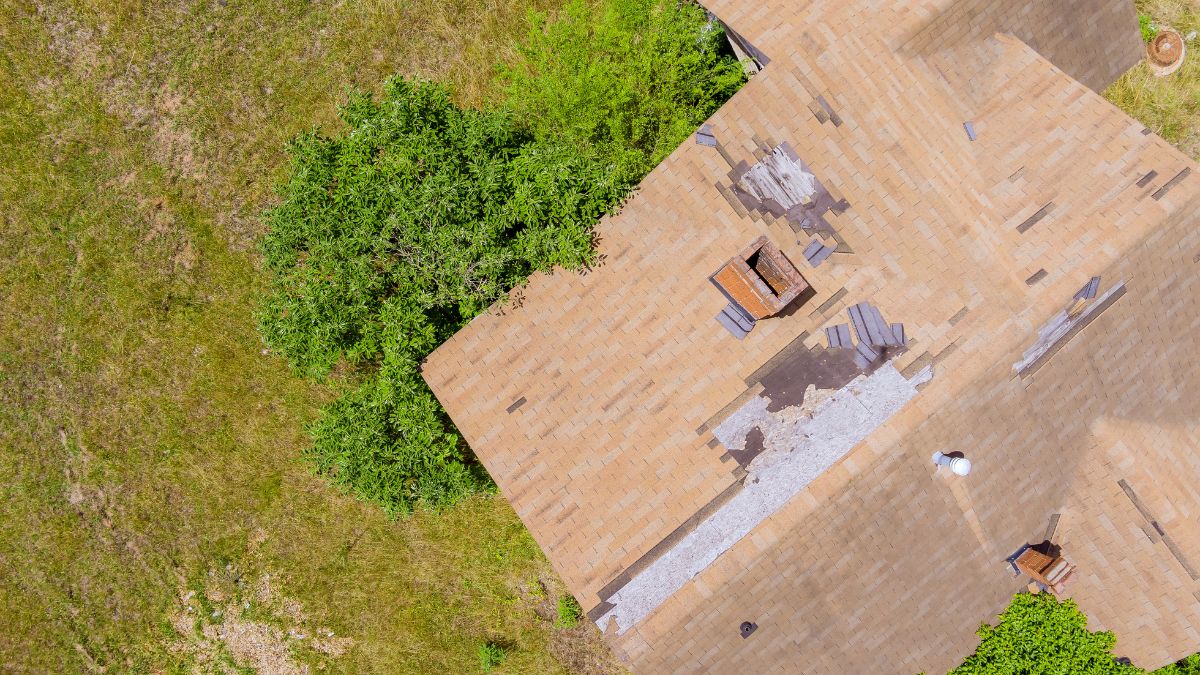
6 Warning Signs Your Roof Needs Repair
News flash: your roof does cry out for help when needed.
Well, not exactly in that sense. It is more of a muted cry. But there are definite signs that you need to watch out for.
The problem is that most people don’t pay attention to their roofs until a crack appears at one corner or another, or it starts dripping. That might sound odd, considering that the roof is your shield against the elements, working tirelessly every day. And no roofing material, however tough it may be, is impervious to wearing out with time.
So, what are the tell-tale warning signs that your roof needs repair?
Let’s find out.
Most Common Signs of Roof Damage
1. Water Damage on the Roof (or Down Under)
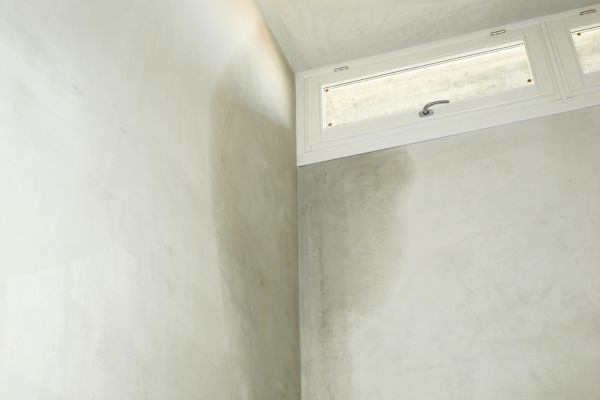
Are there yellow or brown stains or patches on the roof and walls?
These are some of the most common signs of water leakage from a crack in the roof. The crack can be in one corner or the centre of the room. Water will run along the plaster and seek out the lowest point, which may cause swelling of the walls or the peeling of wallpapers.
This can also result in mould growth around those spots. With the right combination of temperature and moisture, mould can start growing within 24 hours. Even if mould growth is not visible, a lingering musty smell can be another sign of water damage.
Once the signs of water damage appear, you need to act quickly. Delaying the repair will only worsen the structural damage. Worse, it can lead to health problems arising from mould spores.
2. The Roof Sagging
If the roofline is sagging, it’s a sign that the roof structure itself has weakened. You may find a few spots that seem droopy. This may be due to water damage, improper roof installation, use of wrong materials, undersized structures, etc.
Not typically an issue where we are, but in some countries, too much snow or ice on the roof can cause overloading on the support structures leading to buckling.
What’s more common in Australia is a sagging roof in older homes, which means the roof has passed its prime.
It’s always important to assess the weight-bearing capacity of your roof to ensure that you do not overload it accidentally. Keep your roof clean and prevent the accumulation of rainwater. The choice between repair and replacement depends on the amount of sagging. So, even if you notice a small uneven section on the roof, don’t ignore the problem.
3. Damaged Roof Shingles
Asphalt shingles are a great option for a durable roof. But like anything else, they can get damaged. In some scenarios, trapped moisture and excessive heat give rise to blisters on the surface of the shingles. These can pop, leading to further damage to the material like cracking or flaking. Broken shingle pieces in the gutter are another sign.
Often, the edges of a few shingles get curled from aging or there are granules missing from them. This reduces their ability to offer protection. Besides, storms can even tear off a few shingles, exposing the roof to the elements.
A thorough roof inspection is best done by a properly trained professional as subtle damages. An untrained eye may not know what shingle damage looks like. That said, there is no need to panic. A few damaged shingles do not mean that you need a full roof replacement, especially if your roof is not too old.
Now, replacing the damaged shingles may sound simple as a DIY project. But consider the complexity of the job and the safety aspects of working on the roof. Perhaps, hiring the right professionals who will ensure a high-quality job and provide a warranty on the task is a better option.
4. The Roof Is Older Than 20 Years
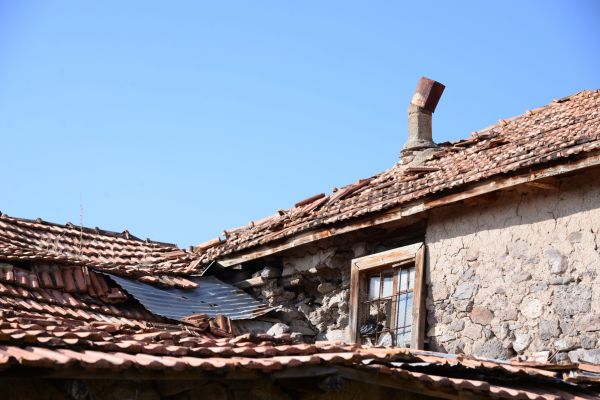
If your roof is older than great uncle Logan, it is time to consider a thorough inspection to assess the aging damage it has sustained. While high-quality roof materials are built to last, roofs older than 20 years will show signs of weakness. In fact, many insurance companies refuse to cover such roofs.
Mortars used in roof junctions – for example in spots and edges where two roof surfaces meet – degrade as time passes and come loose. At times, mortar is even used as bedding for roof tiles. Falling mortars are another indication of the roof getting old.
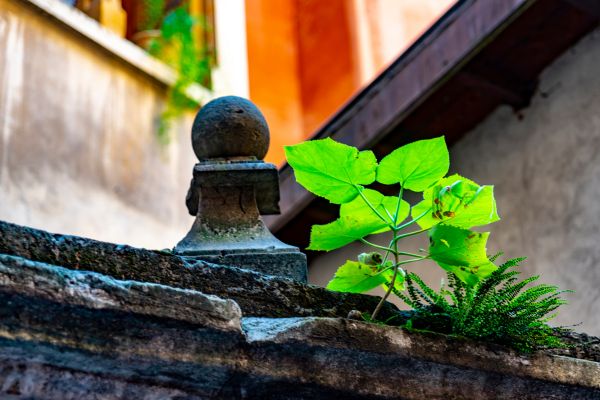
Another sign of an aging roof is moss or algae growing on the corners. Velvety green moss may look great on your lawn, but on the roof, it is a sign of water-related damage. Moss will strip the shingles of their protective power and result in moisture buildup to damage the roof.
A lot depends on how you maintain the roof. Also, in areas where the roof materials have to withstand extreme weather conditions, they tend to break down faster. The amount of sunlight that hits the roof is also a factor at play.
In short, an aged roof needs more care. In such conditions, it is best to hire a professional to take a closer look at the roof, even if it is just over 15 years old.
5. Flashing Damages Around the Chimney
Ever noticed the thin metal layers around the chimney or the roof vents?
These are roof flashing that offer protection from water and debris damage in spots where the roof meets the chimneys. The purpose is simple – to prevent water seepage into the inner layers of the roof.
Common materials used for flashing are aluminium or galvanized steel. Such flashing is used along with some caulking material for sealing. In older homes, roof cement or tar was used for sealing the spots around the chimneys. They are even less durable than metal flashing.
The point is, that the weather and oxidation of the metal will cause the flashing material to deteriorate. Besides, the caulking material can dry out in time. As water seeps in through the loose flashing, mould may start growing inside the roof structure causing irreparable damage.
Remember, roof inspection should include a proper checking of the chimney flashing to observe if they are intact. If not, a quick replacement of the material is necessary.
6. High Energy Bills
You may not know it, but the roof plays an important role in keeping your energy bills in check. So what’s going on?
To know the exact reasons you will need to delve into the science of heat transfer, but suffice it to say that the roof absorbs and gives up heat.
Actually, it is simple. In summer, the roof absorbs heat to keep the interiors cool. Any roof damage can increase the heat absorbed, making your cooling system work harder. The reverse happens in winter if a damaged roof starts leaking heat. Then the heating system will have to work harder to keep the interiors comfortable.
Both scenarios lead to higher power consumption. So, if your power bills have gone up in the last few months for no obvious reasons, a crack in the roof can be the hidden cause.
In truth, the use of cool roofing technology can reduce your power bills significantly. For example, having a dark-coloured roof in Sydney can cause your power bills to shoot up by 38%.
Repair vs. Replacement: How Much Damage Before You Need to Replace the Roof?
Even though a roof replacement needs more investment and time, there are some scenarios where it is unavoidable. When it comes to deciding between repair and replacement, there are a few factors to consider.
For minor or moderate damage that is not widespread, a repair should be good enough. However, it should be done using high-grade materials and with professional expertise. Remember, a limited repair will fix a problem but not extend the roof’s actual lifespan. That will still be limited by the condition of the original roof.
If your roof is old and worn out, a replacement will be necessary. Also, if the damage is extensive, a repair will not be able to fix the problem. Not to forget, a new roof provides better aesthetics and more energy efficiency to your home.
The best option: get help from an experienced roofing contractor to conduct a comprehensive roof inspection before making the decision. Lastly, a quick warning. Just because the roof damage is not extensive, do not take it lightly.
Signs That Your Roof Needs Repair: FAQs
How do I know if my roof needs to be repaired?
Multiple signs indicate that your roof needs repair. These include signs of water seepage, missing or damaged shingles, and a sagging roof.
What is the average lifespan of a roof?
The lifespan of a roof depends on two things: the materials used and the way they’re used. The average roof’s lifespan can vary between 25 to 50 years. A roof made from 3-tab asphalt shingles can last for 25 years, whereas a standing seam metal roof will last around 30 years or more. On the other hand, a roof made of slate, a natural material, can last as long as 100 years.
How do you safely inspect a roof?
One of the safest ways to inspect a roof is to use a binocular or a drone. For a DIY home roof inspection, you can use a ladder. If you want to get on the roof, using a safety harness or belt with a lifeline attached to a rigid support is the safest option.


