

The Ultimate Guide to Gutter Guards (6 Types & How to Install)
No matter how much you love DIY tasks, cleaning a clogged gutter is never a fun job.
When rainwater is not being diverted away from your home through the gutter, it can pool in and eat away at your home’s foundation. Compared to that, secondary issues like mould growth almost look like a joke!
Luckily, it’s not like your only option is rolling up the sleeves to clean the gutters manually. Enter the humble gutter guard, the lone gutter defender that costs very little while doing so much!
It is a simple but effective mesh system that prevents gutters from getting clogged by catching debris. While they play an integral part in gutter maintenance, there are various types of gutter guards and choosing one above the other is not that simple.
Here’s a detailed look at the types of gutter guards (a.k.a. leaf guards) and their installation methods.
6 Types of Gutter Guards
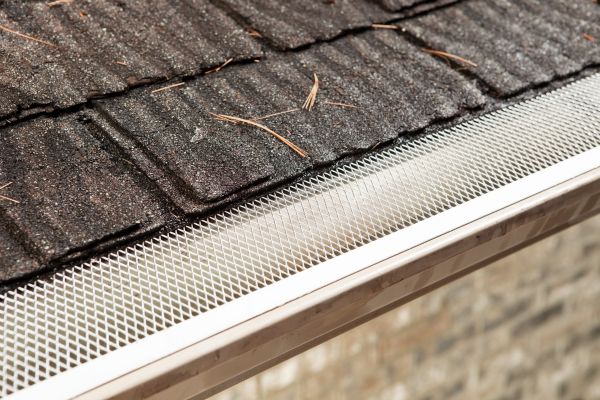
Gutter guards act like a barrier that keeps larger debris from going in and getting stuck in the gutter. A gutter’s unwelcomed guests can be anything from twigs, leaves, animal droppings, to seeds, pine needles, dead insects or even larger animals.
Once you attach a guard to the gutter, the water can flow freely where it should—through the gutter itself. Simple!
Now, things are not so simple when it comes to the types of gutter guards available. They come in many shapes that can confuse the first-time buyer. In theory (and ads), most gutter guards will work on all types of roofs. But each type has its advantages and some are more suited for particular tasks and environments than others.
In other words, not all guard types will work for every home. Some homeowners find removing the debris buildup from below some types gutter guards challenging.
“It’s a nightmare — you have to go around and literally get up on a ladder and individually unscrew the bolts so you can lift it up to get right under there properly, and then you’ve got to come back, re-screw them all back on. You’re there for hours,” Nathan Stafford, gardener and landscaper from Sydney, summed up his experience for Yahoo News.
But does it mean to discourage you from trying? Not at all! It only means you should choose wisely.
In terms of materials, sponge and plastic (vinyl) gutter guards are the most affordable options. The downside is that they aren’t very durable. Conversely, aluminum and steel gutter guards are priced higher but are more durable.
1. Screen Gutter Guards
These are the most commonly found gutter guards made from metal or plastic and fixed on top of the gutter. They work as effective leaf gutter guards and are affordable options that can block other large debris too. For homes surrounded by large trees, this screening system is a good choice.
Since installation is easy-peasy and needs no heavy tools, these are the most popular DIY gutter guards for homeowners. However, lifting the roof shingles to fix the guard can be tricky. If your roof is under warranty, you need to be careful about modifying anything on your own.
One thing is, that the debris tends to stick to the screen or form clogs at the top. So, they need periodic cleaning. Beyond that, if you need higher levels of debris filtration, there are other options.
2. Mesh Gutter Guards

Mesh gutter guards have a finer screening system to block tiny debris that can pass through screen guards. They are commonly used as roof gutter guards in areas where there’s varied debris that tends to pile up.
Mesh guards for gutters tend to be incredibly durable and are probably best option for homes with sloped roofs or roofs with a complex design. Plus, they can be used year-round as they’ll work in any weather.
It is best to opt for professional installation with mesh gutter guards. Do it wrong and it will reduce their efficiency! Even though these are more expensive than screen guards, they are a worthwhile investment.
3. Micro-Mesh Gutter Guards
There’s mesh, and then there’s micro mesh.
The use of much finer mesh in this type of gutter guard allows them to block even extremely small debris like particles of sand. (Which is both a blessing and a curse, but more on that below!) Consider them similar to high end strainers. Micromesh helps in filtering out finer particles like shingle grit that standard gutter guards cannot prevent. In fact, the fine mesh can block almost all of the debris from flowing into the gutter.
If a mixed type of debris accumulates on your rooftop or if you are living in a bushfire-prone area, micro-mesh guards are a good choice. Believe me, removing ash from your gutters can be a real pain.
The other pro is their high durability. This makes micro mesh gutter guards ideal if you live in an area with high rainfall intensity or heavy snowfall. While these guards cost a bigger buck, they last longer and are more efficient. It is best to opt for a professional installation with these guards as they need to be properly secured.
That said, they are not needed if you are looking for a simple leaf guard. In fact, they can even be a pain, and not just because they’re pretty costly. The thing is, they can get jammed themselves by blocking off such fine debris! Then you’d need to maintain the very thing that’s supposed to help you maintain.
Anyone want to invent gutter guards guards?
4. Brush Gutter Guards
A brush or bristle gutter guard looks and works like a bottle brush that goes inside the gutter. The bristles are trimmed to fit the exact shape of the gutter and they trap the debris from coming in. They can even be shaped to fit the curves in the gutter system.
These gutter guards can block off leaves and pine needles effectively without interrupting the water flow. Plus, they are easy to install, they last long, and are a pretty cheap solution for keeping the gutter clean. If that’s not enough, they’ll also do their job without babysitting in terms of regular maintenance.
Note, that brush gutter guards are not problem-free. Cleaning the debris that gets stuck in the bristles over time is a complicated task. Then you need to take out the entire brush gutter guard system to remove small debris like pine needles and that is a lot of work. This is the primary reason why many homeowners avoid them.
5. Reverse Curve Gutter Guards
The reverse curve gutter guards look a bit different from all other types. (You’ll also find them under the name of ‘surface tension gutter guards.’) These come with a curved metal or plastic sheet that keeps the debris away. The rainwater follows this curved path and flows into the gutter.
If you are wondering how this works, the answer is surface tension. The high surface tension of water directs it to the gutter channel. The thing is, this guard does not block or capture the debris. The debris slides away from the gutter and falls to the ground.
A big advantage of reverse curve gutter guards is their professional appearance. The installation is complicated, but when done professionally, they have a low profile. These guards last long and in most cases, come with a warranty.
But here’s the rub. There are quite a few problems with reverse gutter guards that you need to consider.
- Since there is no filtration, smaller debris like pine needles can fall into the gutter
- The underside of the curve can get dirty and oily in time. This reduces the action of surface tension and the effectiveness of the system drops.
- Reverse curve gutter guards do not slow down the water. In case of heavy rain, the water might overshoot the gutter. Or else, it might gather too much momentum while coming off the roof.
- The dry hoods of these guards can shelter birds and bees which can be a nuisance.
6. Foam Gutter Guards
Also known as gutter sponges, these gutter guards are made from materials like polyurethane or polyether that are porous. Usually, they come in triangular pieces and you can cut these down to meet the exact length of the gutter. The porosity allows the water to flow through while blocking the solid matter.
Foam gutter guards are inexpensive and they are one of the best DIY gutter guard options. Frequent cleaning is not needed either. Cleaning them with an algaecide once or twice every year should be good enough.
Now for the downsides. Firstly the foam material absorbs water and is not suitable for areas with heavy rainfall patterns. They also tend to freeze when the winter temperatures drop below freezing. When compared to the other gutter guards, they come with low durability. Then again, since low-cost variants are not fire retardant, they can be a bit risky from the safety viewpoint.
How to Install Gutter Guards

The time needed for installing a gutter guard depends on the type of guard you have chosen. But remember this: in case you are not sure about your DIY skills or do not have the right tools, we suggest you scrap the idea.
As always, safety remains a priority as you’ll be working on the roof or a ladder. Make sure to wear work clothes and gloves.
The first step is to choose the right gutter guard depending on your budget and the type of debris that gets collected. As mentioned, surface tension and micro mesh gutter guards require professional installation. The rest are not so difficult to install. You will need the following tools for the job.
- Tape measure
- Marker/ pencil
- Hammer
- Screwdriver
- Shears/handsaw
Here are the steps to follow.
- Start by cleaning the gutter along with the downspouts. Make sure to get rid of any debris that’s already there!
- Trim the gutter guards by using the shears as needed.
- Check the manufacturer’s instructions for installation. Place the guards inside the gutter or slide them under the roof shingle. Some gutter guards need to be secured by using gutter guard clips. Others, like metal screen gutter guards, might need rivets or screws.
Gutter Guards: FAQs
What is the most effective type of gutter guard?
When it comes to debris filtering, micro-mesh gutter guards are the best option. But that doesn’t mean they are perfect! Make sure to only choose it in very sandy areas, or if you don’t mind cleaning the gutter guards themselves.
What is negative about gutter guards?
One thing is, gutter guards do not ensure 100% debris protection. Some debris might end up in the gutter irrespective of the level of filtration. With gutter guards, cleaning the gutters takes more time as you need to remove the guard before attempting it. Also, if installed incorrectly, gutter guards may cause damage to the roof.
What is the alternative to gutter guards?
One alternative to gutter guards is a downpipe strainer. They are a good option for filtering leaves and other debris. You can trim the trees in the yard to keep the extra long branches away from the roof.


