Can You Paint a Roof (Solving the DIY Dilemma!)
Perhaps you’ve painted your house and the interiors recently. Now, you’re thinking about those faded asphalt shingles on your roof that stick out like the proverbial sore thumb.
So, how about giving them a fresh coat of life?
The answer to whether you can paint a colour steel or a clay tile roof is yes, you can. (In fact, everything is paintable these days!)
But can you paint a roof on your own, as a DIY activity?
We won’t tell you no. But before you jump at the opportunity, here are a few points about painting your roof that you need to be aware of.
Is Painting a Roof a Good Idea?
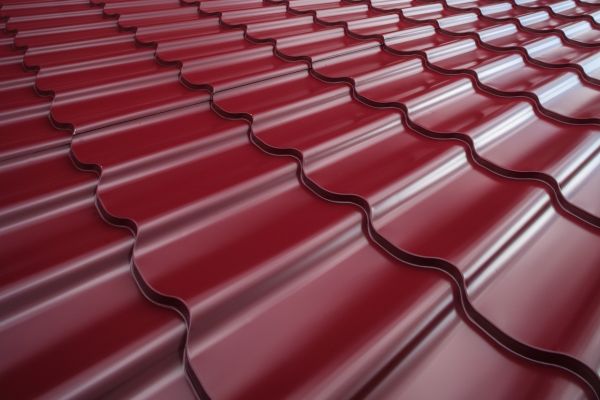
Absolutely! Whichever type of roof you have, painting it is a good idea, and not just because of the looks. Here are a few practical pros.
- Much like any other part of your home, a well-kept roof isn’t just a good thing because it looks nice. It makes the roof look healthy. What’s under it must be healthy too, the conclusion follows! In other words, a painted roof adds significant value to your home.
- Special roof paints, like acrylic latex paints and reflective coatings, are long-lasting and highly resistant to the sun’s ultraviolet (UV) rays. This helps keep the roof cooler in summer, reducing the energy costs of cooling the interiors.
- The paint can act as a sealant and reduce the chances of water damage by filling up the minor cracks. Even so, painting is no fix for any major damages or deep cracks on the roof.
- A fresh layer of paint will protect the base materials of the roof and help increase its lifespan.
Now, all these points are valid when you pick a paint best suited for the roof material. Metal and tile roofing can be painted easily by applying a coat of primer first and then a layer or two of paint. However, that’s not always the case for all roof types. For an average householder, that gives rise to a lot of queries.
For example, a common question is whether you can paint asphalt shingle roofs. The answer?
Yes and no. In theory, asphalt roof shingles can be painted so they look better, but many pros just wouldn’t recommend it. The reason is, painting the shingles can camouflage any damage to them, making roof maintenance tricky.
Besides, if the entire shingle arrangement is not completely dry before painting, the paint can trap moisture, leading to mildew growth. Any damages resulting from the painting can also affect or even completely cancel the warranty on the shingles.
Here’s another one we’re getting often: can you paint roof tiles a different colour?
Yes, you can, as long as the paint is designed to work with the specific material of the tile. For instance, some terra-cotta roof tiles come with a surface glaze that does not allow the paint to bind to it. Choosing the right paint for such tiles can be a tough task.
Get this: painting is not a substitute for roof repair. If the roof is leaking, you need to consult a licensed roofer for a roof inspection and to fix the damages.
Steps to Take Before Painting a Metal Roof or a Roof With Shingles
Before starting the roof painting process, there are a few things you need to do.
- The first step is to check if the roof surface isn’t damaged. This means you need to climb up a ladder to reach the roof. So take the necessary safety precautions, especially if the roof has a sharp pitch.
- If any of the shingles or tiles are damaged, you need to replace them. You can take the help of a licensed professional to get the work done.
- Before starting to paint, you need to clean the roof with a cleaning solution to get rid of the dirt and oil. You can use a garden sprayer to spray the solution on the tiles or shingles. Wait 15 minutes and then rinse it off with a hose. The other option is to use a power washer. In that case, start from the top, so that you do not end up lifting the tiles or shingles.
- Once the cleaning is done, let a few hours pass before the roof is completely dry, and then commence with the painting.
The next step to painting the roof is choosing the right paint and equipment. Remember that not all roof paints are created equal and each type has its pros and cons. So, choosing a quality product is important.
Worth mentioning that there is a difference between roof paints and roof coatings. Roof paints are thinner and only offer a limited amount of protection. On the other hand, roof coats are thicker, last longer, and offer better roof protection. When done well, they’ll easily take up to two decades of beating.
Water-based acrylic paints or coats made from acrylic resins have excellent adhesive properties and are great for the Australian climate. Thanks to its ability to withstand sunlight, rain, and wind, acrylic coats have an exceptional lifespan. They are easy to apply and do not turn brittle like oil-based paints after some time.
That said, acrylic paints are best for roofs with a slope. Consider a flat roof where ponding of water is an issue or a roof with poor drainage. For such roofs, an acrylic coat is not a good option.
If you are a DIYer, using an airless paint sprayer for the task is a good idea. Otherwise, old-school paintbrushes and rollers can be used. While working on the roof, put on a safety harness and wear shoes with non-slip soles.
In case you do not have the necessary DIY skills or painting experience, hire a professional team that can complete the task safely and provide a high-quality finish. While a professional service will cost you more, it is recommended when you are on a tight schedule.
How to Paint a Sheet Metal or Tile Roof?
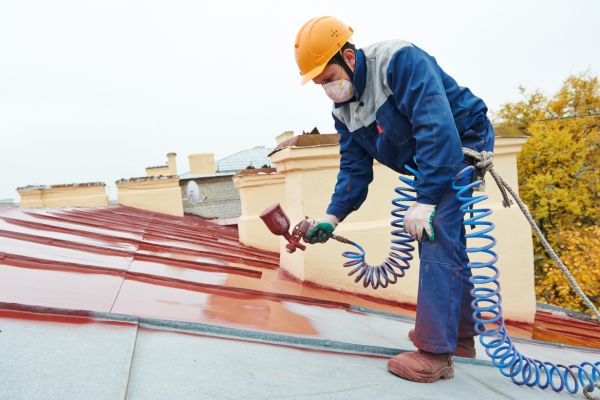
Applying a layer of primer on the roof before the actual paint is a good idea to ensure better paint adhesion. The choice of primer depends on the type of roof tile. For example, you can paint a sheet metal roof with a layer of metal primer. Wait for 2-3 hours for the primer to dry and then start painting.
However, primers are not necessary for all types of paints, especially for acrylic or silicone roof coatings. It is best that you consult a professional roof contractor or paint manufacturer to be sure.
One more thing: for the job to be done properly, steer clear of days with extreme temperatures or high humidity. If rainfall and humidity are high during the summer, choose the drier period of autumn for the job.
Follow these steps while applying the actual paint.
- Check for the manufacturer’s instructions for mixing the coat or the paint. This can be done in the container or a separate bucket. For complex roofs, it’s best to work on specific sections at a time to avoid missing any spots. It makes most sense to start at the top of the roof. Especially if you’re not very adept!
- You can use a sprayer for applying the paint on large roofs—it’s the quickest method. On the other hand, you’ll also need rollers and brushes to get the edges right.
- Make sure to apply an even first layer. The number of coats needed will vary depending on the roof conditions and the manufacturer’s instructions. Before doing another round of painting, wait for the first one to get completely dry! That should take between 24-48 hours, depending on how warm and dry the weather is.
- The second layer isn’t as tolerant of mistakes as the first one, so make sure to be extra careful. Think of it like a chance to correct what you did wrong the first time. The good thing about acrylic coats is that they are self–levelling. Even if your application is not perfect, you can expect a smooth finish.
Can You Paint A Roof: FAQs
How long does a painted roof last?
When painted professionally, the paint on a roof can last for 10-15 years. Acrylic paint, on the other hand, will last up to twice as long!
Can you paint a coloured metal roof?
A coloured metal roof can be repainted to protect it from rusting and other forms of weather damage. Use a rust-preventive primer as the base layer and then apply an oil-based paint or acrylic-latex covering.
Can you paint roof tiles with a paintbrush?
Yes, roof tiles can be painted with a paintbrush. While using a paintbrush takes more time, it gives you precise control over the painting process, resulting in a better finish.
How much does it cost to paint a roof?
Roof painting costs depend on the size of the roof, its complexity, and the quality of materials used. The current condition of your roof will also affect the price. Depending on these factors, a professional roof painting job can cost you between $2,000 and $10,000.