

Types & Causes of Noises in Roof: What’s Behind Spooky Roof Sounds?
It’s the dead of the night, and the last thing you need are strange, inexplicable noises coming from above.
Granted, everything sounds much louder and spine-chilling at 2 am than it really is. Still, it isn’t funny when your home sounds like an ambient horror film you never choose to watch.
Roof sounds are diverse enough — from banging, scratching, cracking, to even scurrying. While some sounds might mean you’re having a pest or animal invasion on your hands, others can mean your roof is hiding something bigger: a structural issue.
Which, of course, means you shouldn’t just shrug and do nothing. Even if you’re a sound sleeper, ignoring the problem can lead to long-term roof damage. A small hole in your roof will inevitably burn a bigger one — in your finances.
But even before you act on it, just knowing the reasons behind the noise will ease the spidey feeling.
Types of Roof Noises
So, let’s take a closer look at the many sorts of noises on the roof to understand what could be hiding in there — sometimes quite literally.
Scratching or Gnawing Noises
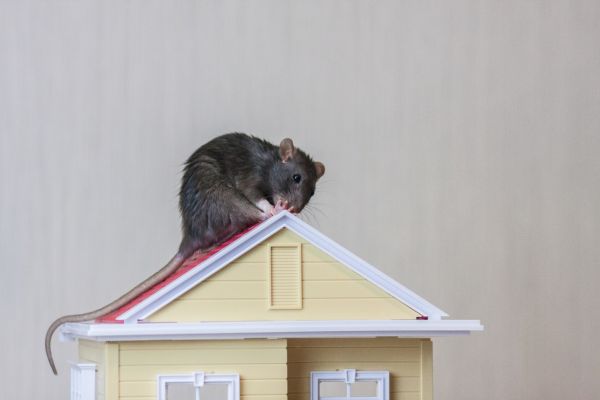
If it scratches, it has claws. And if it gnaws, it has teeth.
So yes, the sound of scratching or gnawing on the roof is mostly pest-related, especially if you typically hear it in the late night hours. One of the most common trespassers is the common roof rat. They especially enjoy running along the outer edges of the roof, so the noise might travel hither and thither.
An effective rat test can be knocking on the wall nearest to the sound. If it is a rat, chances are, the sounds will stop. If not, it can be some other wildlife that isn’t as responsive and sensitive.
The wildlife that would call your roof a home can be feathery too.
And birds can also produce scratching sounds. Another and much more telling indicator of birds is fluttering or flapping.
To rule out any creatures, check if there is a tree branch rubbing against the roof during the windy days. That can cause scratching sounds at times.
Popping or Creaking Sounds
Even though it doesn’t sound nearly as ominous as scratching, popping is known to indicate the worst — structural issues with the roof.
This sort of noise can even be heard in the middle of a warm sunny day, ruling out the possibility of nocturnal animals. In some cases, the popping noises can be heard on extremely windy days.
So what exactly is happening?
Technically speaking, vertical wind loads on a roof can be enormous, depending on the roof surface area. A metal roof system not supported by a proper arrangement of bracings can start flexing under the wind load causing a popping sound. Consulting a structural engineer to design a diagonal bracing system for such a roof is a good idea.
The other reason for the popping sound can be the thermal expansion of the roof. Under the hot sun, the roof material can expand, bringing it above its normal stress threshold and making strange sounds while at it.
During the evening, the roof cools down and contracts, resulting in the same type of sound in reverse order. Such thermal expansions can be expected in metal, wood, concrete, and asphalt roofs. Sometimes the thermal effects can generate creaking or scraping noises as well.
The higher the temperature fluctuations, the greater the roof expansion noise. To make matters more complicated, not all materials will expand the same or even similarly. If some debris gets caught between the moving roof and the shingles, the noise levels could get higher.
For any old roof, it’s best to have it inspected (or do it yourself if you know how) for any structural damage. Severe creaking may be caused by the roof beams shifting — a major structural issue that you can’t ignore.
Thumping or Tapping Noises in Roof
These sorts of noises can be caused by possums or some nocturnal birds engaged in nesting activity on the roof. Possum noises on the roof can be louder as they are heavier creatures.
Possum-proofing your home will need some expertise. This means you’ll have no option but to call in a wildlife removal specialist. Improper handling of protected creatures isn’t just risky for both parties but can bring one of you straight to court!
This is not to spook you, but thumping noises can come from animals you’d never even think of. Some scenarios amount to pure nightmare. On one roof in Queensland, it was the result of a full-blown scuffle between two male carpet pythons. As you may imagine, resolving it required the service of professional snake catchers.
But in most cases, it’s not nearly as dramatic as that. A common cause of loud thumps can be debris falling on the roof. This can happen during a weather event or after a storm has gone away. For example, a broken branch from a tree can thud very loudly. (But luckily, it usually does so only once.)
A loose shingle tapping on the underlying layer on a windy night can also be a reason for a banging noise in the roof.
Dripping Sounds
Dripping sounds originate from leakage on the roof from a pipe or damaged HVAC drain or drain pan. If the sound follows a heavy rainshower, it can be due to a clogged gutter. At times, very strong water pressure can be the cause behind such noises.
In case there are holes in the roof or damage to roof insulation, the water can penetrate the roof and start dripping. Another possibility — if your air conditioning is running, the warm moist outside air can come in contact with the colder walls resulting in condensation. The accumulated condensate can start dripping after a few hours.
Now, a dripping noise may occur a few minutes after you take a hot shower. Don’t worry, though — it has nothing to do with you personally. The culprits could be expansion and contraction of the hot water lines passing along the roof.
How to Reduce Rain Noise on Roof?
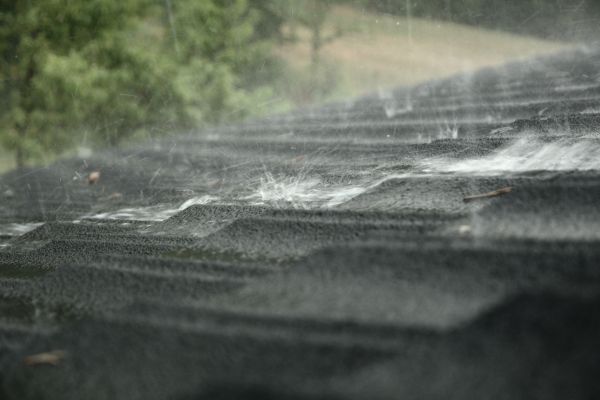
You may love the sound of rain as much as we do. But to some, it might be annoying. There are people with misophonia who dislike or even can’t stand neutral sounds like that of rain.
In reality, rain noise on the roof is not something you can absolutely avoid, but the right level of insulation can reduce it.
A common question we keep hearing — what about Colorbond roof rain noise?
Colorbond roof, which is a brand and not merely a type of roof, is made of high-quality steel coated with special paint to enhance its durability. Plus, it offers good thermal insulation. But with metal roofs, rain noise can be a problem.
Using a vibration-dampening material over or under a roof is a good solution for dampening metal roof noise. However, underside installation will improve the lifespan of the product. These are fastened by mechanical fixtures, or by using adhesives. Also, foam mats or cardboard panels can absorb sound effectively.
Another practical and lovely solution is installing a green roof with bright leafy plants. A rooftop garden won’t just produce a host of compliments from the whole neighbourhood, but is also incredibly effective at dampening rain noise.
It’s not just about rain either. Lots of foliage can also block out louder and meaner sounds very effectively. Not the least of your worries if you live in a loud urban or industrial area!
Is It Normal for a Roof to Make Noise?
A well-designed and properly constructed roof should not make frequent odd noises by itself. Some thermal expansion is unavoidable in metal roofs and concrete tiles, though it doesn’t have to be noisy by default.
Besides, not every creaking or cracking sound means that your roof might collapse.
Keep in mind, though, that things like thermal expansion need your attention early on, during the roof design.
Note that thermal expansion is something you need to keep in mind during (not after) the roof design stage to prevent long-term damage. Roofs naturally expand and contract with temperature changes, and if this isn’t accounted for, it can lead to warped materials, loose fasteners, and leaks.
Likewise, if a pest infestation happens, you need to take care of it right away if you don’t want roof damage.
Now, if the roof itself doesn’t make noise, could the source be in the solar panels lying up there?
Not really. Solar panels generate electricity silently, so there is no humming or vibrating sound associated with moving machinery. Still, one thing that can generate noise from the panels is improper installation.
Sometimes there remains a gap between the base of the panel and the roof. Wind can tunnel through this gap, generating a creaking noise. However, this rarely happens.
You might be wondering whether it’s possible to exactly tell the kind of damage on your roof just by listening.
Well, veteran roofers who have repaired hundreds of roofs just might. Otherwise, noise on the roof only tells you that there is a problem, not what kind of problem it is. Only a closer inspection will tell you the exact nature of the problem and potential steps you can take.
Noises on Roof: FAQs
Why do I hear sounds on my roof?
Noise on your roof can have many reasons. It can be a pest infestation or a structural problem related to the roof. At times it can be due to dripping water from pipes or loose pieces of roof shingles.
How do I stop my roof from making noise?
First, figure out what exactly is causing the noise. Is it creaking from temperature shifts, rattling from loose parts, or maybe pests scurrying around at night? Once you know the culprit, take action. You’ll need one of 3 things: pest control, a roofer to fix loose components, or, in rare cases, a structural engineer if it’s something more serious.
How to soundproof a roof?
To cut down on noise, add soundproofing materials like mass-loaded vinyl or acoustic foam between the roof and ceiling. A good-quality roof underlayment designed for soundproofing can also help. Insulating your attic and walls with fiberglass or mineral wool boosts the effect. Finally, if you need extra quiet, consider adding acoustic panels to absorb sound waves.


